How baseboard heat works
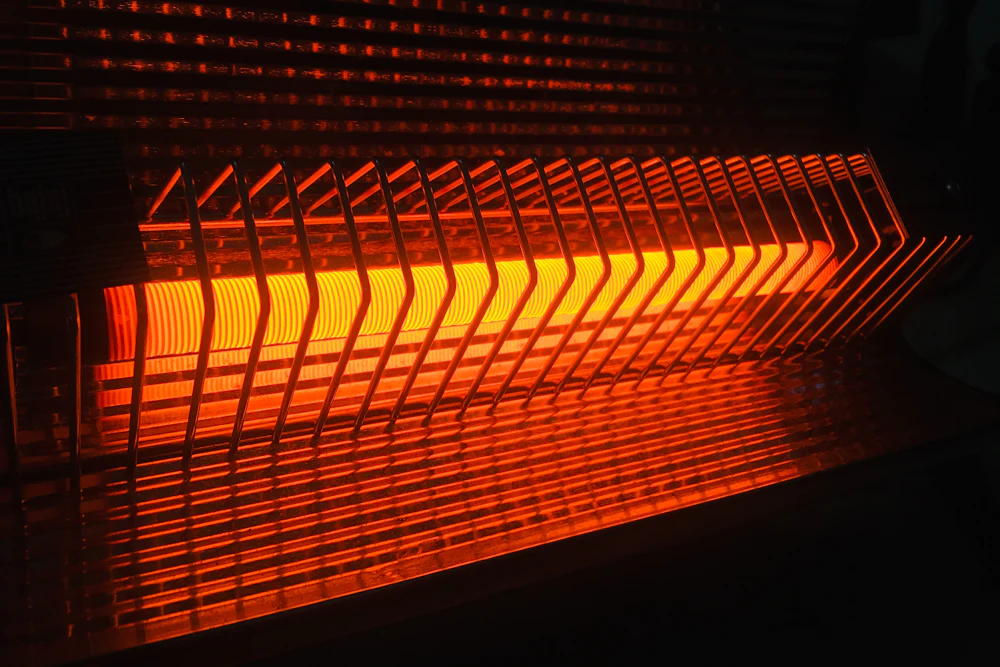
An electric baseboard heater is a long metal housing with a resistance element inside. Cool air enters at the bottom, warms as it passes over aluminum fins, and rises out of the top, creating a slow convection loop in the room. There is no fan, so baseboards are silent. Each heater is typically controlled by its own thermostat, on the unit itself or on the wall.
Standard baseboards use about 250 W per foot. Like all resistance heat, they turn 100% of the electricity into heat, but no more. That makes them simple and reliable, and also costly to run in cold climates compared with a heat pump. They are common in apartments, older homes in the Northwest and Northeast, and additions.
Baseboard heater cost at low, average and high rates
Today's U.S. average rate is 18.16¢.
| Usage | kWh | Low rate (12¢) | Average rate (16.5¢) | High rate (30¢) |
|---|---|---|---|---|
| 6-ft heater (1,500 W), 1 hour at full power | 1.5 | $0.18 | $0.25 | $0.45 |
| 6-ft heater, 10 h/day at 50% duty, a month | 225 | $27.00 | $37.13 | $67.50 |
| 8-ft heater (2,000 W), same use, a month | 300 | $36.00 | $49.50 | $90.00 |
| Bedroom heater set back at night, a month | 150 | $18.00 | $24.75 | $45.00 |
| Whole apartment, 4 heaters, a winter month | 900 | $108.00 | $148.50 | $270.00 |
| Whole house, cold climate, a winter month | 2,200 | $264.00 | $363.00 | $660.00 |
Worked example: a two-bedroom apartment
An apartment has four baseboards: two 6-foot units in the living area and two 4-foot units in the bedrooms, totaling 5,000 W. In January they run about 35% of the time around the clock.
- Average power: 5 kW × 0.35 = 1.75 kW.
- Monthly energy: 1.75 kW × 24 h × 31 days = 1,302 kWh.
- Cost: 1,302 kWh × $0.1816 = $236.44 at today's U.S. average; $156.24 at 12¢ and $390.60 at 30¢.
- Setting bedrooms to 60°F during the day and the living area to 62°F at night might cut run time by 15%, saving about 195 kWh, or $35.41.
Thermostats make the biggest difference
Many baseboards still have built-in bimetal thermostats with a dial marked 1 to 10, which can overshoot by several degrees. Replacing them with electronic or smart line-voltage thermostats (rated for 240 V) holds temperature more precisely and allows schedules, so heaters run only when rooms are occupied. Never use a standard low-voltage thermostat on a baseboard circuit.
Ways to lower baseboard heating costs
- Heat by room: keep unused rooms cool and doors closed.
- Program setbacks for sleep and when you are away; resistance heat has no recovery penalty.
- Keep the heater clear: furniture, long curtains and rugs block airflow.
- Vacuum the fins at the start of the season.
- Seal drafts around windows, doors and outlets on exterior walls.
- Consider a ductless mini-split for the main living area: it can heat the same space for half the electricity or less.